Source Japan Spinning Reels for Stream, Lake, and Ocean Beach Fishing
Source Japan spinning reels from 30 available listings to compare gear ratios, bearing counts, and spool capacities. Evaluate options for stream, river, lake, and ocean beach fishing applications. Review specifications such as 5.2:1 gear ratios and interchangeable handles to find the right equipment for your needs.
Key considerations
Products List
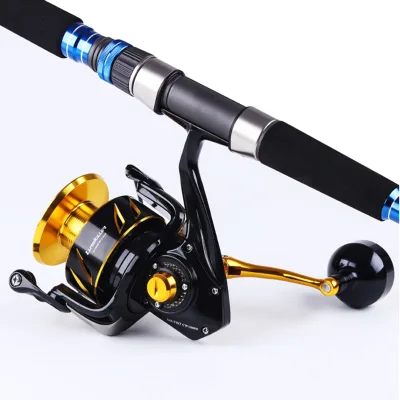


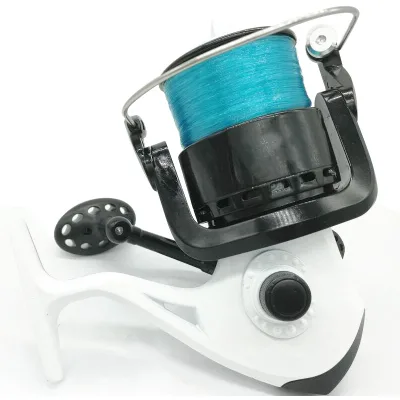


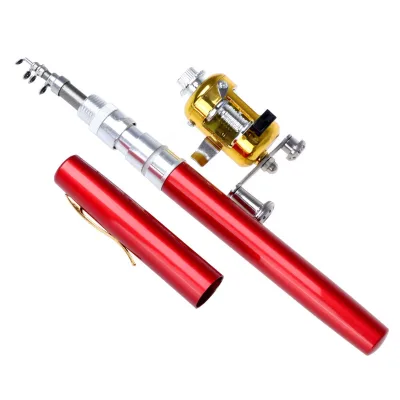


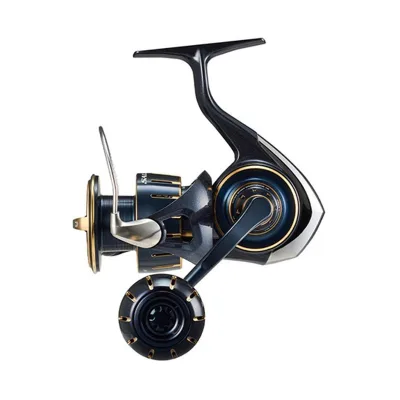


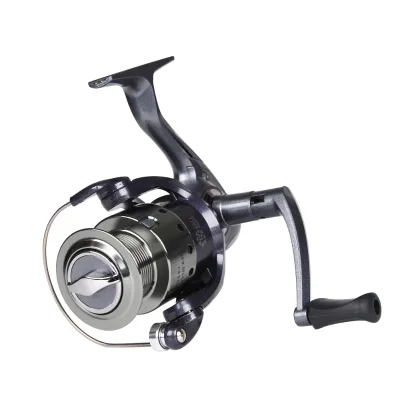
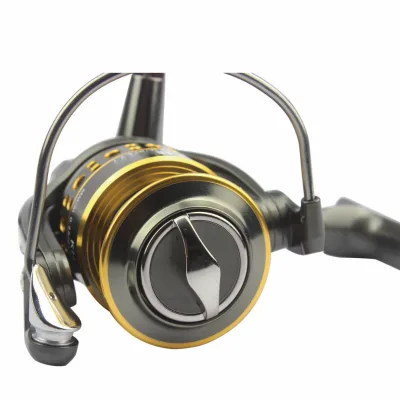


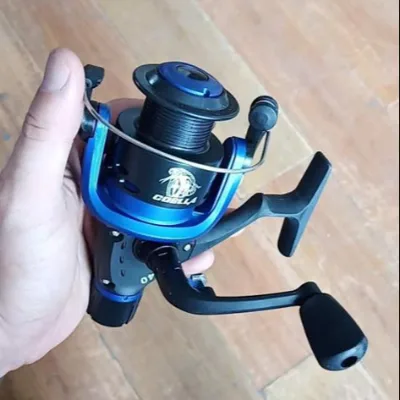
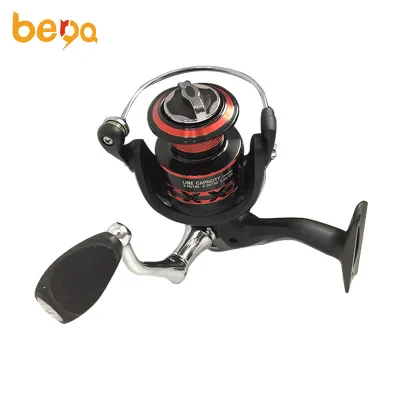


Comprehensive Sourcing Guide
Japan Spinning Reels Sourcing Guide
Procuring high-performance spinning reels from Japan requires a nuanced understanding of manufacturing heritage and global supply chain dynamics. While the core keyword suggests a specific geographic origin, current market data indicates that many listings labeled with this term are actually manufactured in China, specifically in Shandong province. Buyers must carefully distinguish between reels designed with Japanese engineering principles and those produced in Asian manufacturing hubs to ensure they receive the expected quality and durability. This distinction is critical for maintaining brand integrity and meeting customer expectations for precision mechanics.
The global market for spinning reels is diverse, with significant production occurring in regions known for cost-effective manufacturing. Observations show that many available units originate from China, offering competitive pricing and flexible customization options. However, the reputation of Japanese reels often commands a premium due to their historical association with superior materials and tighter tolerances. Sourcing agents and procurement teams must verify the actual place of origin rather than relying solely on marketing labels, as this directly impacts the total cost of ownership and the long-term reliability of the fishing equipment.
Product Scope and Observed Listing Signals
Current market observations reveal a wide variance in product specifications, with gear ratios ranging from 4.1:1 to 6.2:1, indicating versatility for different fishing styles. The observed minimum order quantities (MOQ) span from a single piece to 1,000 pieces, suggesting that suppliers cater to both individual hobbyists and large-scale distributors. This flexibility allows buyers to test market demand with low-volume orders before committing to bulk purchases. Understanding these signals helps in selecting suppliers who align with your specific volume requirements and risk tolerance.
Product attributes such as ball bearing counts, typically observed at 9+1, and interchangeable handle configurations provide insight into the mechanical complexity of the reels. Listings often highlight features like aluminum spools and various size options, including 2000, 3000, 4000, and larger models, to appeal to different fishing environments. These details are crucial for matching product capabilities with target use cases, whether for stream, river, lake, or ocean beach fishing. Buyers should cross-reference these observed attributes with their technical requirements to ensure compatibility with their intended applications.
Technical Specifications to Verify
Verifying the gear ratio and ball bearing configuration is essential for ensuring smooth operation and adequate power transmission during retrieval. The observed gear ratios, such as 5.2:1 or 6.2:1, suggest a balance between speed and torque, which should be matched to the specific fishing method, such as spinning or shore fishing. Buyers must confirm that the stated specifications match the physical product, as discrepancies can lead to performance issues in the field. Detailed technical verification prevents mismatches between supplier claims and actual product performance.
The material composition of the reel body and spool, often cited as aluminum or other unspecified materials, directly affects weight and corrosion resistance. Observations indicate that single gross weights can reach 1.500 kg, which may be heavy for some applications, requiring careful consideration of portability. Additionally, the presence of left-hand or right-hand interchangeable handles adds to the user experience but must be verified for ease of conversion. Ensuring these technical details are accurate is vital for meeting the ergonomic and functional needs of end-users.
Compliance and Safety Documentation
While specific safety certifications are not explicitly detailed in the provided observations, buyers should request documentation regarding material safety and environmental compliance. Reels intended for marine environments must withstand saltwater exposure, implying a need for corrosion-resistant coatings or materials. Procurement teams should verify that the supplier can provide test reports or material safety data sheets (MSDS) for any plastics or metals used in construction. This due diligence ensures that the products meet international safety standards and do not pose health risks to users.
Packaging standards, such as individual color boxes or standard cartons, play a role in protecting the reels during transit and storage. Observations mention packing dimensions like 20x20x15 cm, which are important for calculating shipping costs and warehouse space requirements. Buyers should ensure that the packaging is robust enough to prevent damage, especially for reels with delicate internal mechanisms. Confirming packaging compliance with international shipping regulations helps avoid delays and additional costs associated with damaged goods or non-compliant shipments.
Cost Drivers and Commercial Terms
The observed price range of 0.94 to 140,000 USD highlights the vast disparity in reel quality and features, from basic models to high-end professional equipment. This wide range underscores the importance of defining clear quality benchmarks before engaging with suppliers. Buyers must align their budget with the expected performance level, as lower prices may correlate with reduced durability or fewer features. Understanding these cost drivers helps in negotiating fair prices and avoiding unexpected expenses related to quality issues.
Commercial terms, including MOQs and customization options, significantly impact the total procurement cost. The availability of OEM services and customization allows buyers to tailor products to their brand, but this often comes with higher MOQs and setup fees. Fast delivery options may also incur additional charges, so buyers should weigh the cost of speed against inventory holding costs. Clear communication of these terms ensures that both parties have a shared understanding of the financial obligations and delivery expectations.
Supplier Qualification and Quality Control
Supplier qualification should focus on verifying their manufacturing capabilities and quality control processes, especially given the observed diversity in product origins. Buyers should request evidence of consistent production quality, such as sample reels or third-party inspection reports. The ability to supply samples is a positive indicator, allowing buyers to physically assess the reel's build quality and functionality before placing a large order. This step is crucial for mitigating the risk of receiving substandard products.
Quality control measures should include checks for mechanical smoothness, bearing integrity, and handle stability. Observations mention various models, such as Spinning Reel 670 or 689, each with specific characteristics that need verification. Buyers should establish clear acceptance criteria for these attributes and conduct random sampling during production or upon receipt. Implementing a robust quality control plan ensures that the final products meet the specified standards and perform reliably in the field.
Long-Term Procurement Checks
Long-term success in sourcing spinning reels depends on establishing a reliable supply chain that can adapt to changing market demands. Buyers should monitor supplier performance over time, tracking metrics such as delivery consistency, defect rates, and responsiveness to issues. The observed fast delivery claims should be validated through actual order experiences to ensure they are reliable. Building a strong relationship with suppliers facilitates better communication and problem-solving, which is essential for maintaining a steady supply of high-quality products.
Continuous improvement in product specifications and features is necessary to stay competitive in the fishing equipment market. Buyers should regularly review product performance data and customer feedback to identify areas for enhancement. This may involve upgrading materials, improving gear ratios, or enhancing ergonomic designs. By staying informed about industry trends and technological advancements, procurement teams can ensure that their product offerings remain relevant and appealing to end-users, securing long-term market share and customer loyalty.
FAQs
What gear ratios are available for these spinning reels?
Available gear ratios include 5.2:1, 6.2:1, and 4.1:1 depending on the specific model selected. These ratios determine the retrieval speed and torque, allowing anglers to choose settings suitable for different fishing techniques and target species in various water conditions.
Can I customize the brand name on the fishing reels?
Yes, customization is available with OEM services offered for bulk orders. Buyers can request specific branding or design modifications, though minimum order quantities may apply to accommodate the production setup required for custom manufacturing and packaging requirements.
Which fishing locations are suitable for these spinning reels?
These reels are designed for use in streams, rivers, lakes, ocean beaches, reservoirs, and ponds. Their versatile construction supports various fishing methods including shore fishing and beach fishing, making them adaptable for both freshwater and saltwater environments.
What is the minimum order quantity for purchasing these reels?
Minimum order quantities vary by supplier and model, ranging from one piece to one thousand pieces. Some listings accept single items for samples, while others require larger volumes like three hundred or one thousand units for standard production runs.
How many ball bearings do these spinning reels contain?
The reels typically feature nine plus one ball bearings to ensure smooth operation and durability. This bearing configuration helps reduce friction during casting and retrieval, providing a reliable performance experience for anglers using the spinning reel in various fishing scenarios.
Are the handles on these reels interchangeable for left or right use?
Yes, the handles are often designed to be interchangeable for either left or right-handed operation. This feature allows users to adjust the reel configuration to their personal preference, ensuring comfortable handling during extended fishing sessions in different environments.
What materials are used for the reel body and spool?
The reel body material is listed as other, while the spool is made of aluminum. This combination provides a balance of weight and strength, ensuring the reel remains durable during use while maintaining a manageable weight for long casting sessions.